On 3 November 2026, the first Global Water Cup season starts in Uganda at the beginning of the dry period. Local teams join the game to restore their water cycle, and supporters help unlock the training, tools, and funding that make action possible.
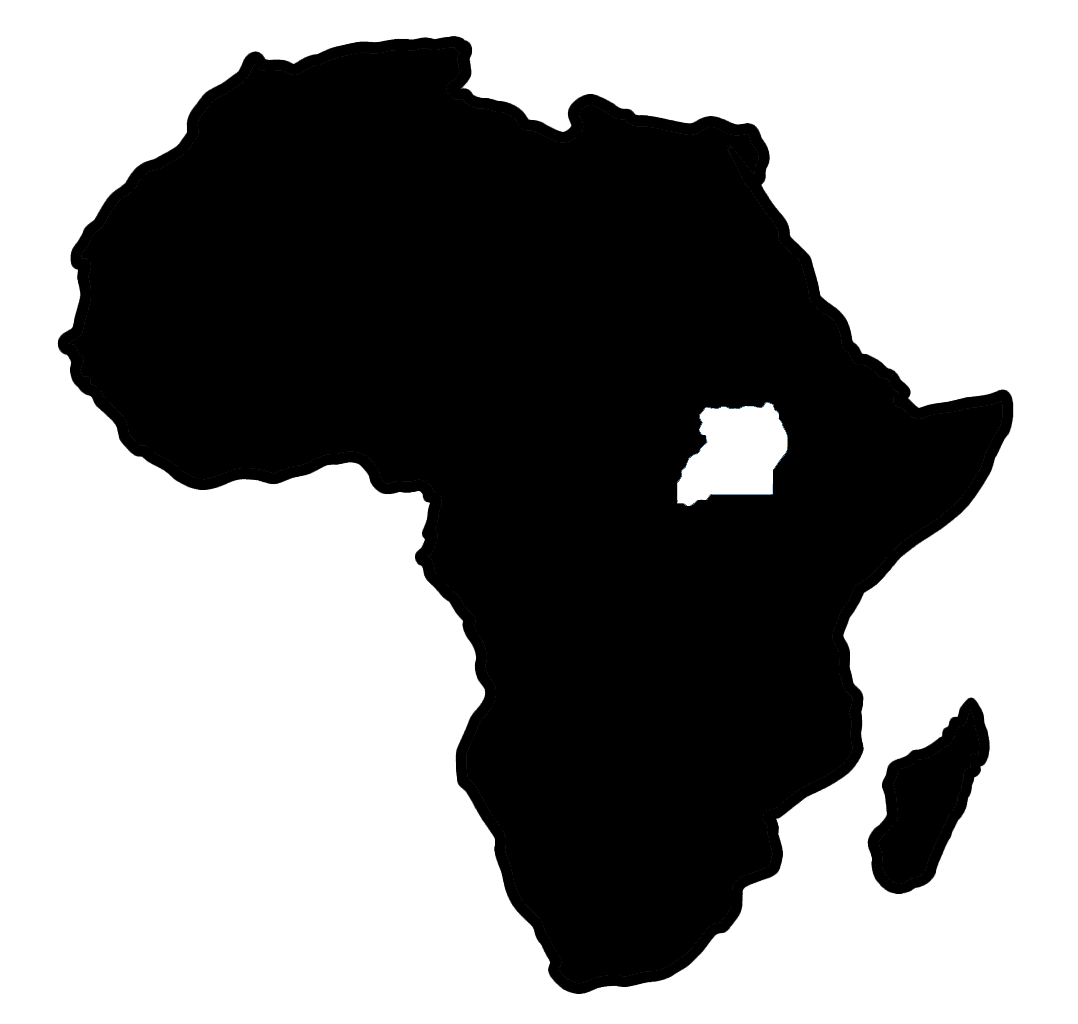
To launch the first season, we have identified four districts: Madi Okollo, Kotido, Gulu, and Apac. From each district, we plan to select three parishes, and from each parish three villages. This creates a focused, comparable set of player communities while still reflecting different landscapes and local realities.
The competition runs on clear tasks and points. Teams earn points for planning and preparation, quality implementation, community participation, maintenance, and transparent documentation. Supporters can join at any level, from sharing the story to funding materials, trainings, or a full project round. Both roles matter, because the game only works when local leadership and outside support move together.
Water retention looks different in every landscape, so methods are selected locally and applied where they make sense. Typical measures include contour trenches and bunds that slow runoff and increase infiltration, small ponds and infiltration basins that keep water available longer, gully plugs and check structures that reduce erosion, plus recharge measures and vegetation work that helps the land hold water again. The goal is always the same: keep water in the landscape where it falls, so soils recover, heat drops, biodiversity returns, and safe drinking water becomes more reliable over time.
Results are tracked through a simple framework that combines on the ground verification with transparent documentation. Points reflect what is planned, what is built, how well it is maintained, and how consistently progress is recorded. This keeps the competition fair, makes learning visible across teams, and gives supporters a clear view of what their contribution helped unlock.
There is a prize, designed to strengthen the community long after the season ends. The winning use of funds is agreed closely with the community, then handled with clear documentation to ensure support reaches the purpose it is meant for. This way, recognition comes with real local value.